Mudjacking vs. Polyurethane Foam Lifting: Which Concrete Leveling Method Is Right for Your Stevens Point Home in 2026?
Two concrete lifting methods are commonly used for sunken slabs in Wisconsin. This article explains how mudjacking and polyurethane foam lifting work, how they differ, and which may suit your Stevens Point, WI, home best in 2026.
Driveways, sidewalks, patios, and porch slabs can all sink over time. When that happens, homeowners often weigh two main repair options: traditional mudjacking or the newer polyurethane foam method. Understanding how each one works makes it easier to have a confident conversation with a contractor and choose the right fix for your property.
How Mudjacking Works
Mudjacking is a proven, widely used approach to concrete leveling. A contractor drills holes roughly 1.5 to 2 inches in diameter into the sunken slab, then pumps a cement-based slurry beneath it. The pressure fills voids in the soil and raises the slab back toward its original position. Once level, the holes are patched.
The slurry is made from soil, water, and Portland cement. It is heavy and dense, making it a solid choice for large or heavily loaded slabs such as commercial aprons or thick driveway sections. Because the material is readily available, the process often costs less than foam alternatives. Cure time typically runs 24 to 72 hours before the surface can handle vehicle traffic.
How Polyurethane Foam Lifting Works
Polyurethane foam lifting, sometimes called polyjacking, is a newer method that has grown popular for residential concrete leveling. A contractor drills much smaller holes, typically about 5/8 of an inch, and injects a two-part expanding foam beneath the slab. The foam expands rapidly to fill voids and lift the concrete, often within minutes.
Because the foam is lightweight yet structurally strong, it adds very little load to the soil beneath. Most surfaces can handle foot traffic within 15 to 30 minutes and vehicle traffic within a few hours. The small injection holes are less noticeable after patching, which can matter for homeowners focused on curb appeal near streets like Church Street or Bukolt Park.
Why Stevens Point's Freeze-Thaw Cycle Matters
Central Wisconsin experiences dramatic seasonal temperature swings. Stevens Point typically sees many freeze-thaw cycles each winter, causing soil to expand and contract repeatedly. Sandy loam soils common to Portage County can drain quickly but also shift when saturated by spring snowmelt from the Wisconsin River corridor. Both lifting methods address the immediate problem, but polyurethane foam's lighter weight places less ongoing stress on already-moving soil. Choosing the right concrete leveling solution for your specific soil conditions can make a meaningful difference in how long results last.
Comparing the Two Methods Side by Side
When comparing the two methods, several factors stand out. Mudjacking requires holes of 1.5 to 2 inches, while polyurethane foam uses much smaller holes of around 5/8 of an inch. Cure time differs significantly as well: mudjacking typically needs 24 to 72 hours before vehicle traffic, while foam is ready for foot traffic in as little as 15 to 30 minutes. In terms of material weight, mudjacking is heavy and best suited for large, heavily loaded slabs, whereas foam is lightweight and better suited to residential slabs and precision lifts. Mudjacking has a typical lifespan of 5 to 10 years or more, while polyurethane foam generally lasts 10 or more years. Finally, mudjacking adds weight to already-moving soil, while foam places minimal additional load on the ground beneath.
Is Mudjacking a DIY Job?
Mudjacking is not a realistic do-it-yourself project for most homeowners. The process requires a truck-mounted pump, specialized mixing equipment, and experience reading slab movement and void locations. Attempting to lift a slab without proper equipment can worsen the problem, crack the concrete further, or cause uneven lifting. Professional concrete leveling is the safer and more cost-effective path.
Which Surfaces Benefit Most From Each Method?
Mudjacking is often well suited for large driveway aprons and commercial pads where weight capacity is a priority, thick slabs that need significant material volume to lift properly, and projects where upfront investment is a key factor.
Polyurethane foam is often a good fit for residential sidewalks, patios, steps, and pool decks where a quick return to use matters, areas near landscaping where minimal disruption is preferred, and slabs over loose or sandy soil where added material weight may cause further settling.
Neither method is universally better. Mudjacking may be the right fit for larger applications or projects where a lower upfront cost is a priority. Polyurethane foam tends to suit homeowners who need a faster return to use, want smaller visible repairs, or have slabs over sensitive soil. Both offer a far more economical alternative to full slab replacement, which involves demolition, new pours, and days of disruption. Concrete leveling extends the life of your existing slab without the cost of starting from scratch.
Get a Free Estimate for Stevens Point, WI, Homeowners
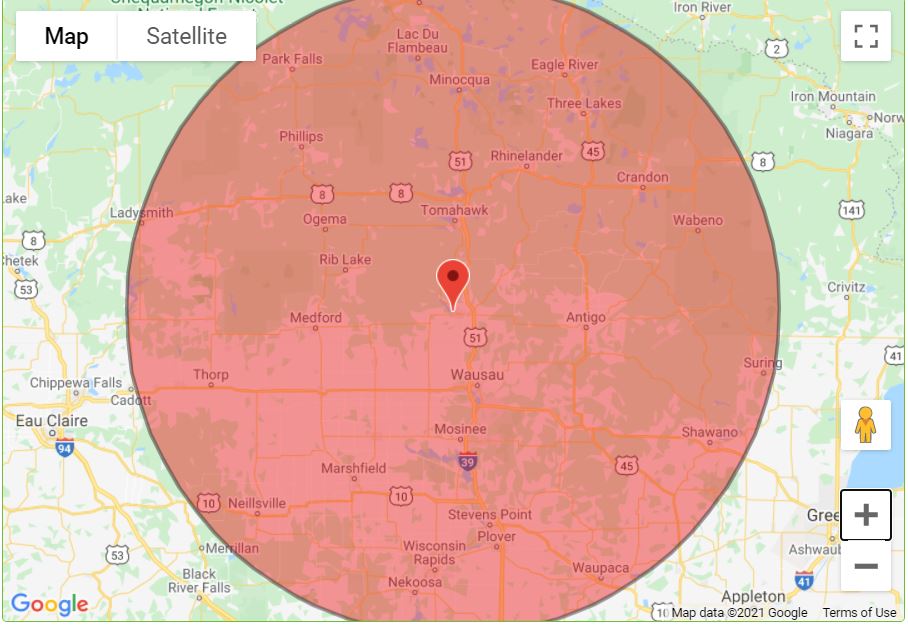
The right method depends on your specific slab, soil conditions, and goals. Able Concrete Raising WI, LLC, has served homeowners across the region for over 25 years and can evaluate your property to recommend the best concrete leveling approach for your situation. Call 715-359-1900 or request a free estimate online to get started. You can also learn more about outdoor concrete leveling services available to Stevens Point, WI, residents. Find Able Concrete Raising WI, LLC on Google to read reviews from customers across the area.